| First Paper Currency | |
|
|
|
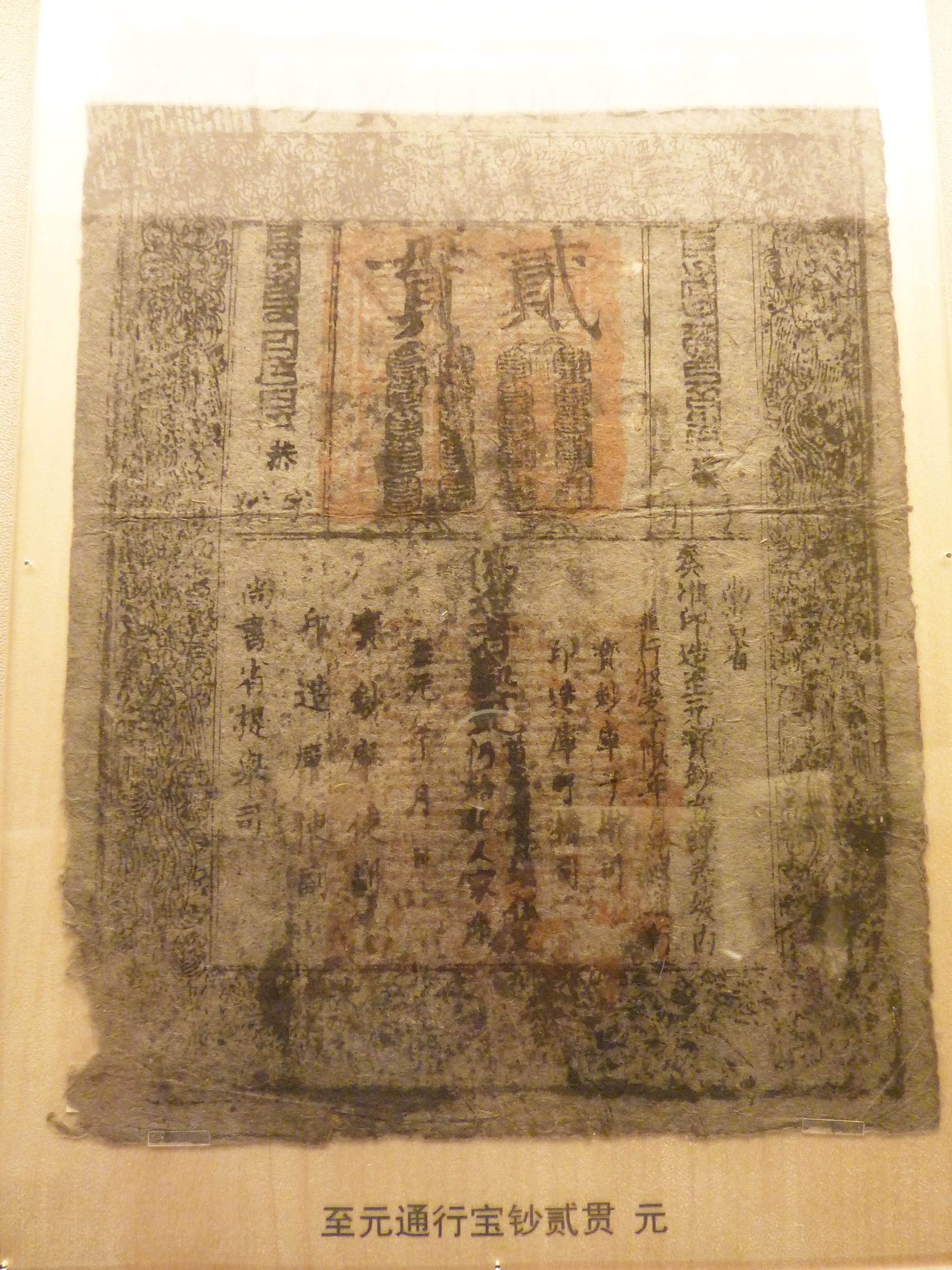
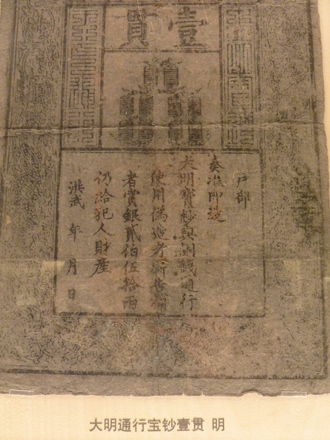
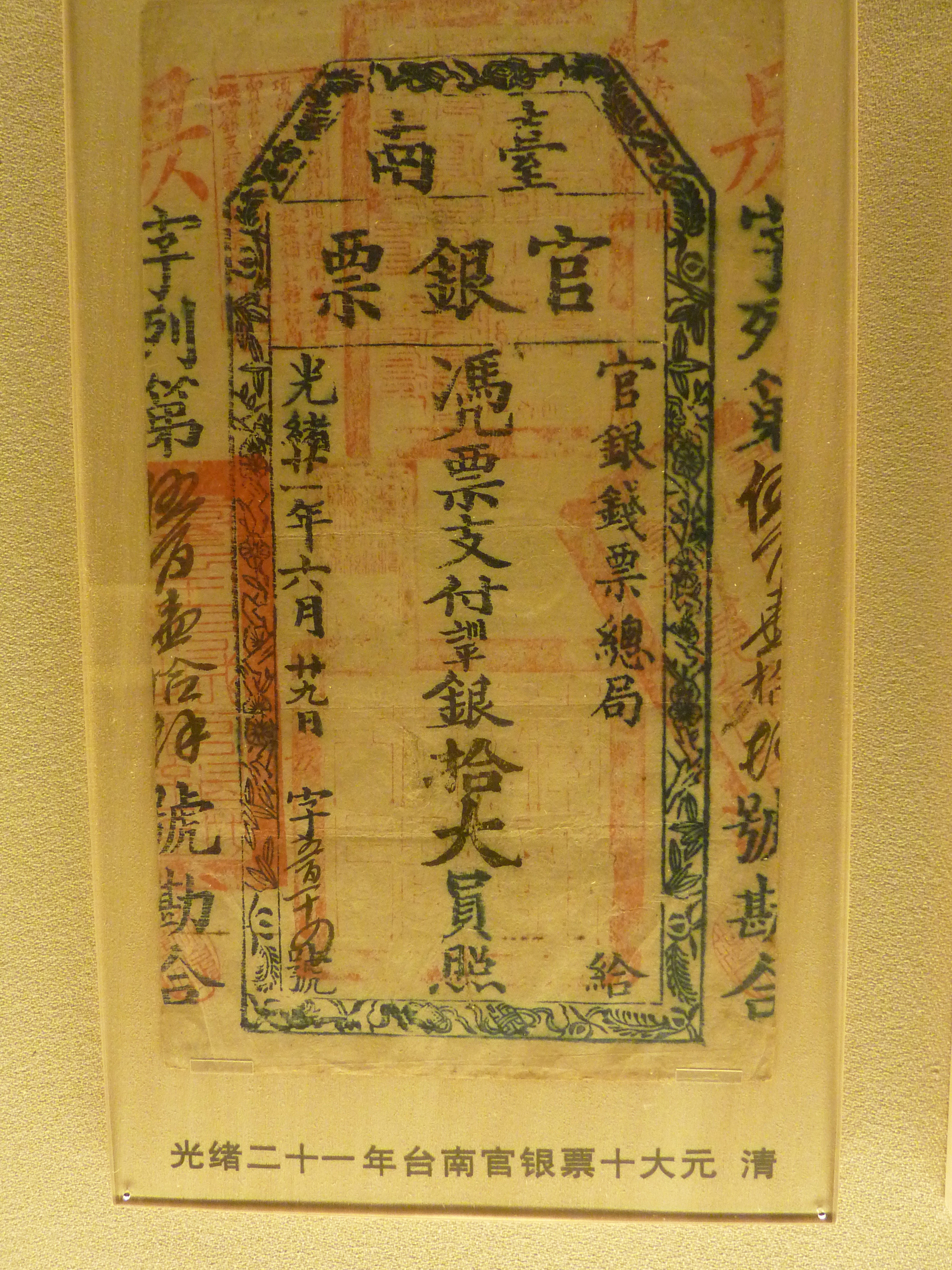
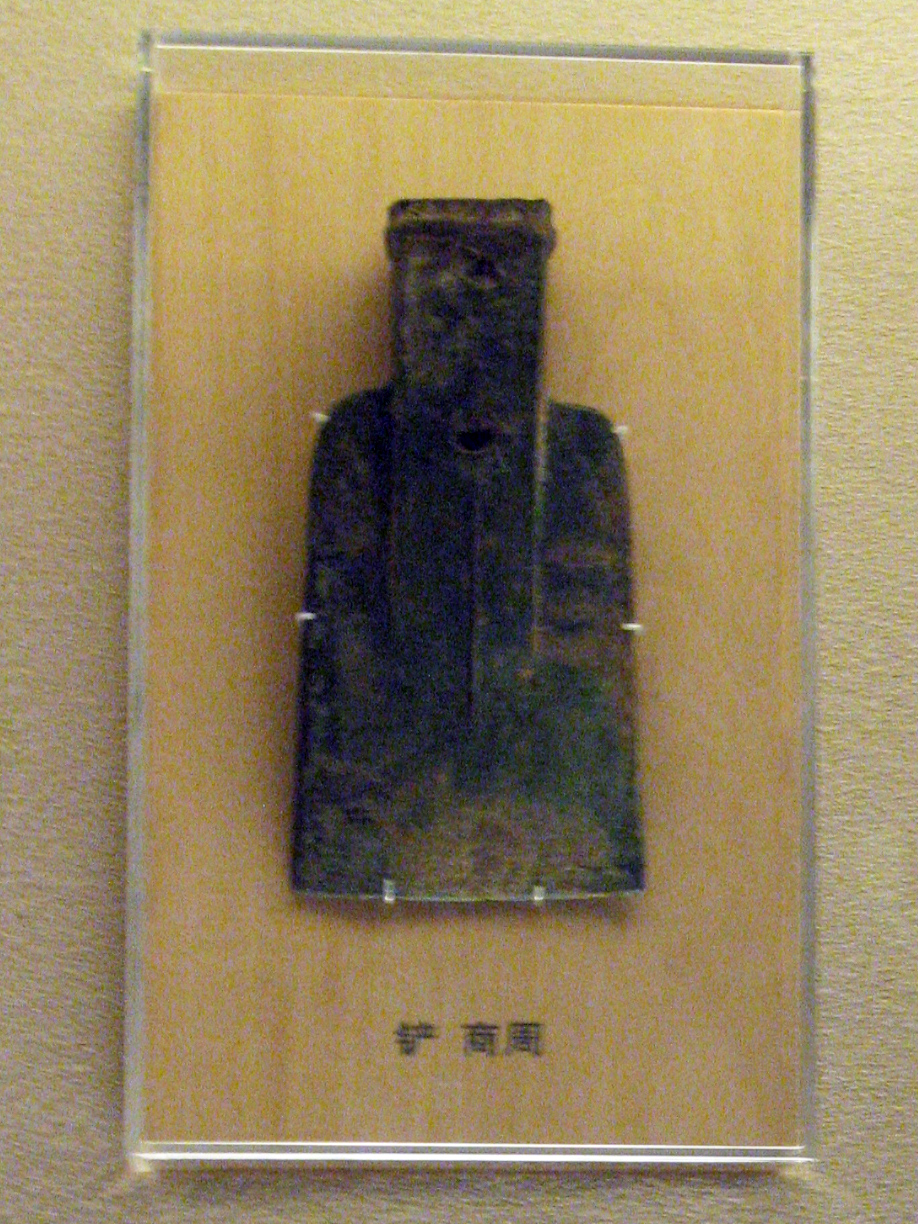
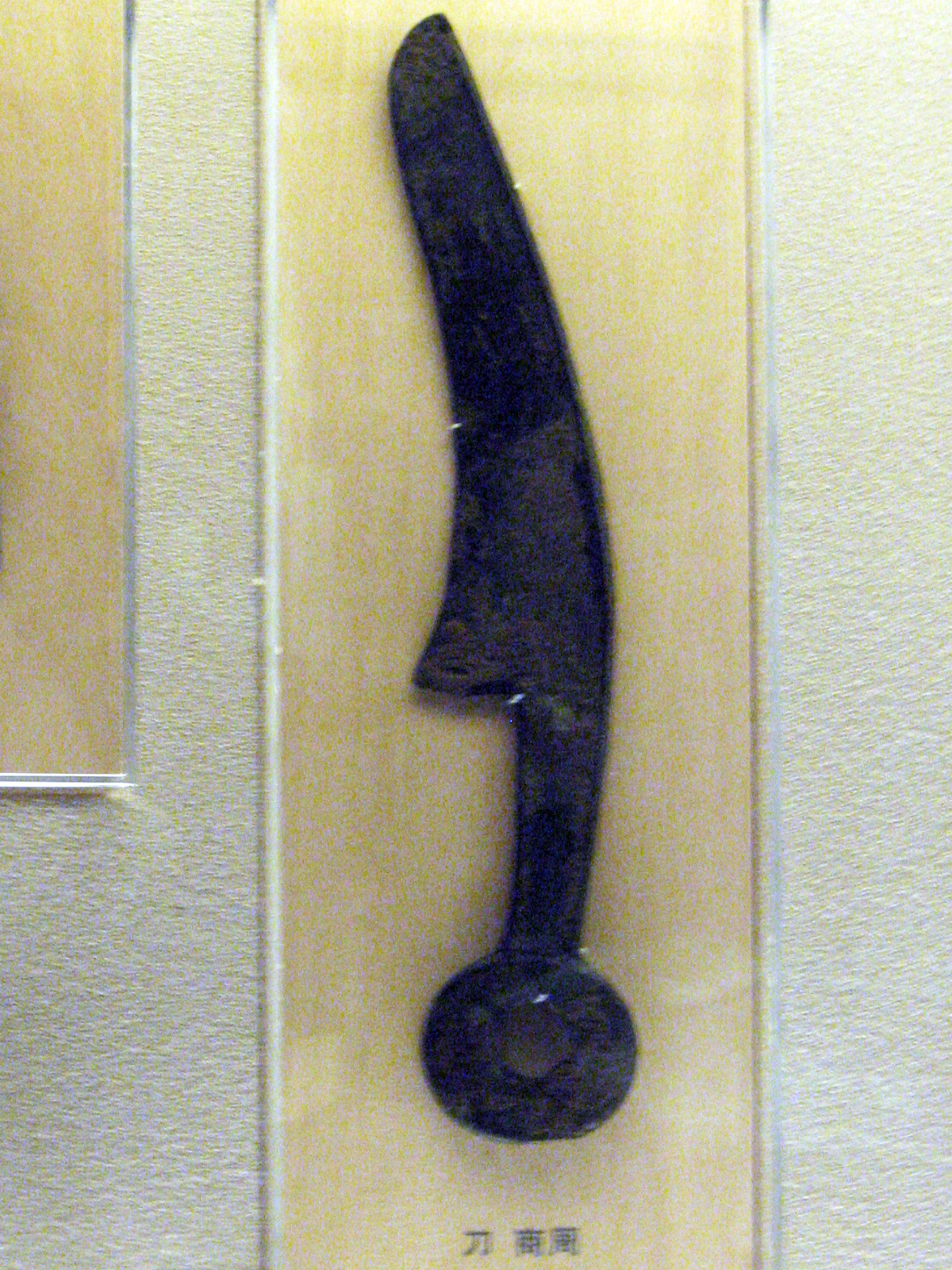
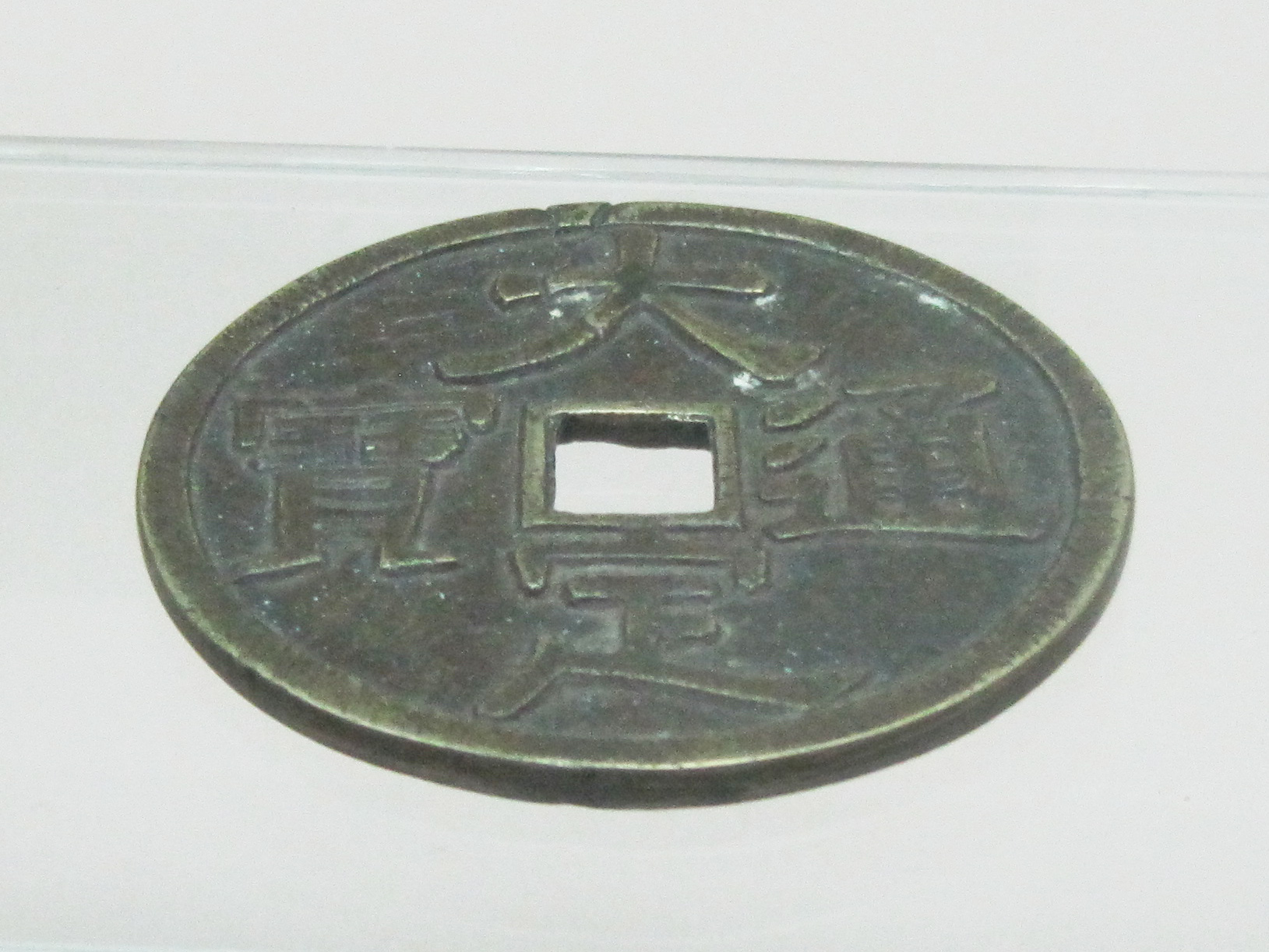
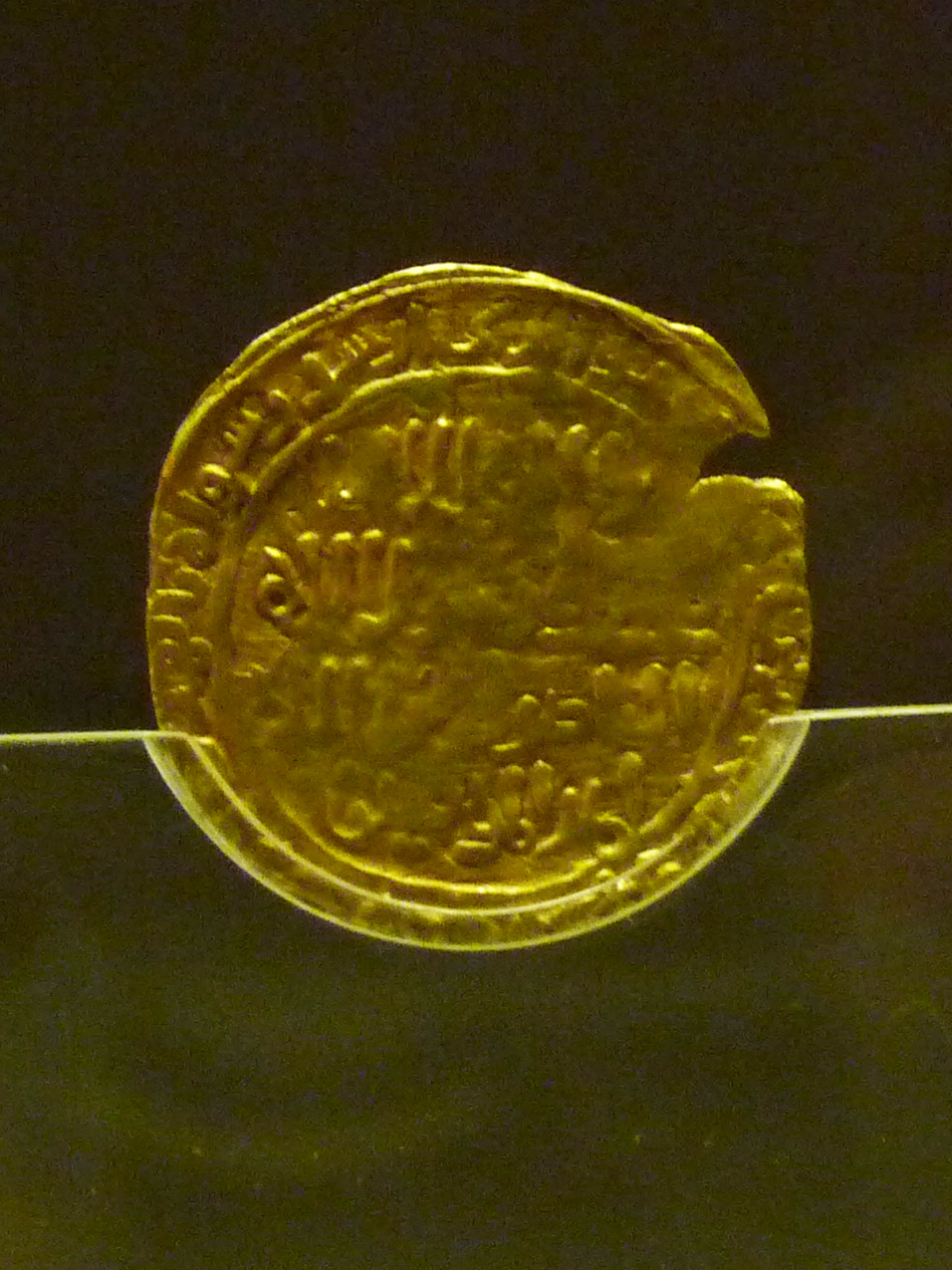
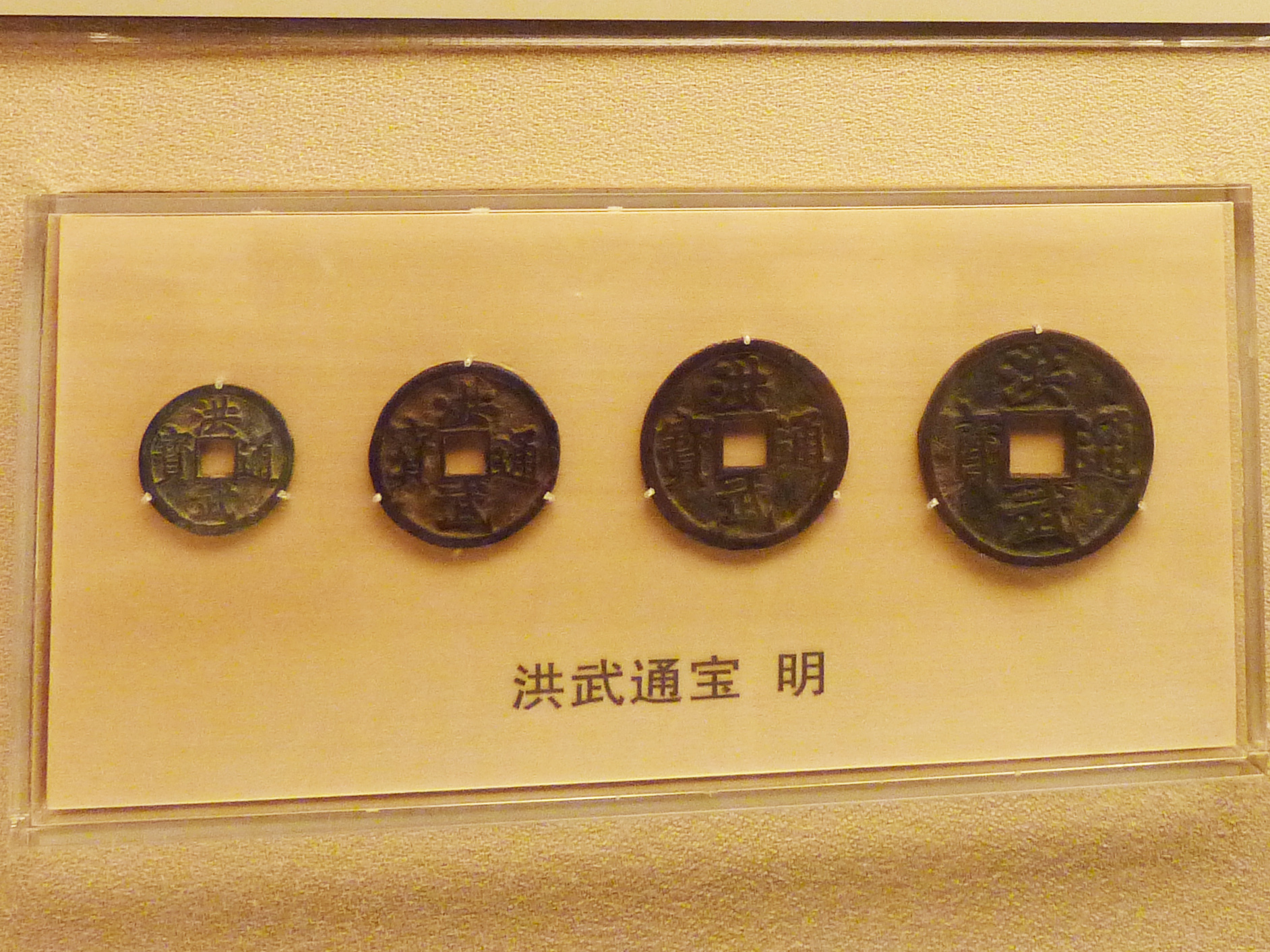
Before money had been invented, barter was the oldest way of doing business. People brought their goods to the market to exchange what they needed. This method had been used for thousands of years, but it was inconvenient. At first, small items that had high value could be used to facilitate trade: perhaps beads or shells or special stones or lumps of metal, but later, people made metal representations of objects to carry symbolic value. Therefore the invention of money also became one of the great contributions to our society, allowing improvements in civilization. In China, shells were first used as money, this began in the late stone age and continued through the Shang Dynasty (1675-1029 BC). Gradually in the late Shang Dynasty, the shell was replaced as an object of money representing value with alternative materials of jade, animal bones and bronze functioning to make shell-shaped proto-coins. Then during the Western Zhou Dynasty (1100-771 BC), Spring and Autumn Period and Warring States period (770-221 BC), currency used in the market included flat bronze, red copper, or brass objects such as Spade-shaped Money (bu qian 布錢) and Knife-shaped Money (diao qian 刀錢), and people also used money which was made of the turtle shells. Such currencies were used in different types, sizes, and shapes. Therefore until the Qin dynasty, there was no standard system of currency, but then around 220 BC the emperor Qin Shi Huang unified the currency system; he only allowed gold and bronze to be the metals for mintage. The transition from using shells as money to a unified currency system was mentioned in the first Chinese dictionary Shuo Wen Jie Zi (說文解字), “古者貨貝而寶龜,周而有泉,至秦廢貝行錢”。 The bronze coins of the Qin empire from 220-200 BC were not the first coins, as Lydia (a Greek city state in what is now Turkey) minted coins as early as 610 BC, but the flat metal objects made in the shapes of spades and knives, rather than in the round form of coins, were used by the Chinese somewhat earlier, perhaps as early as 1050 BC, but certainly by the 7th century BC (the century leading up to the invention of coinage in Lydia). In 621 of the common era (during the Tang dynasty) the Chinese government began producing a kind of bronze coin called “tong bao” (通寶) which was thereafter used until the Qing dynasty (1644-1912). Paper notes representing hoards of cash stored somewhere were used as far back as 785 AD, during the Tang dynasty. This sort of cash deposit receipt currency was called “flying money” (飛錢) because the notes were very light, and could fly away in a breeze if one wasn’t careful in handling them. This type of currency was beneficial for the merchants who needed to travel a far distance and make transitions for goods of great value. Paper currency flourished during the Northern Song Dynasty (960-1127 AD) due to the rapid development of paper manufacture and printing industry, which advocated the trading business. The introduction of “jiau tzi” (交子) currency in 1011 AD marked a milestone in early currency development, one jiao tzi was equal to one thousand bronze coins. This early currency was introduced by a group of sixteen prosperous business households in Szechuan, who also had to establish a form of early banking establishment (called “jiau tzi pu” (交子舖) to care for deposits and savings. Like modern banks, these early jiau tzi pu burdened their customers with fees as a source of bank profits. Paper money (as actual government-issued currency) was an innovation of 1023, but this replaced paper money that had been issued by private enterprises as far back as the early tenth century (starting in Szechuan). Marco Polo wrote a chapter about paper money when he returned to Europe, but paper money wasn't introduced in Europe until Sweden began printing paper currency in 1601.
|
|
|||
Links about the First Paper Money:
|
||||
| Back to the Classical Age Timeline | ||
| Articles of Chinese history: oil well, abacus, compass, gunpowder, first dictionary, parachutes, wheels. | ||
| Back to the World History Timeline in English | ||
| Back to the Historylines home page. |

This work by Eric & Chun-Chih Hadley-Ives is licensed under a Creative Commons Attribution-NonCommercial-ShareAlike 4.0 International License.