| The Ediacaran System Period |  |
|
|
|
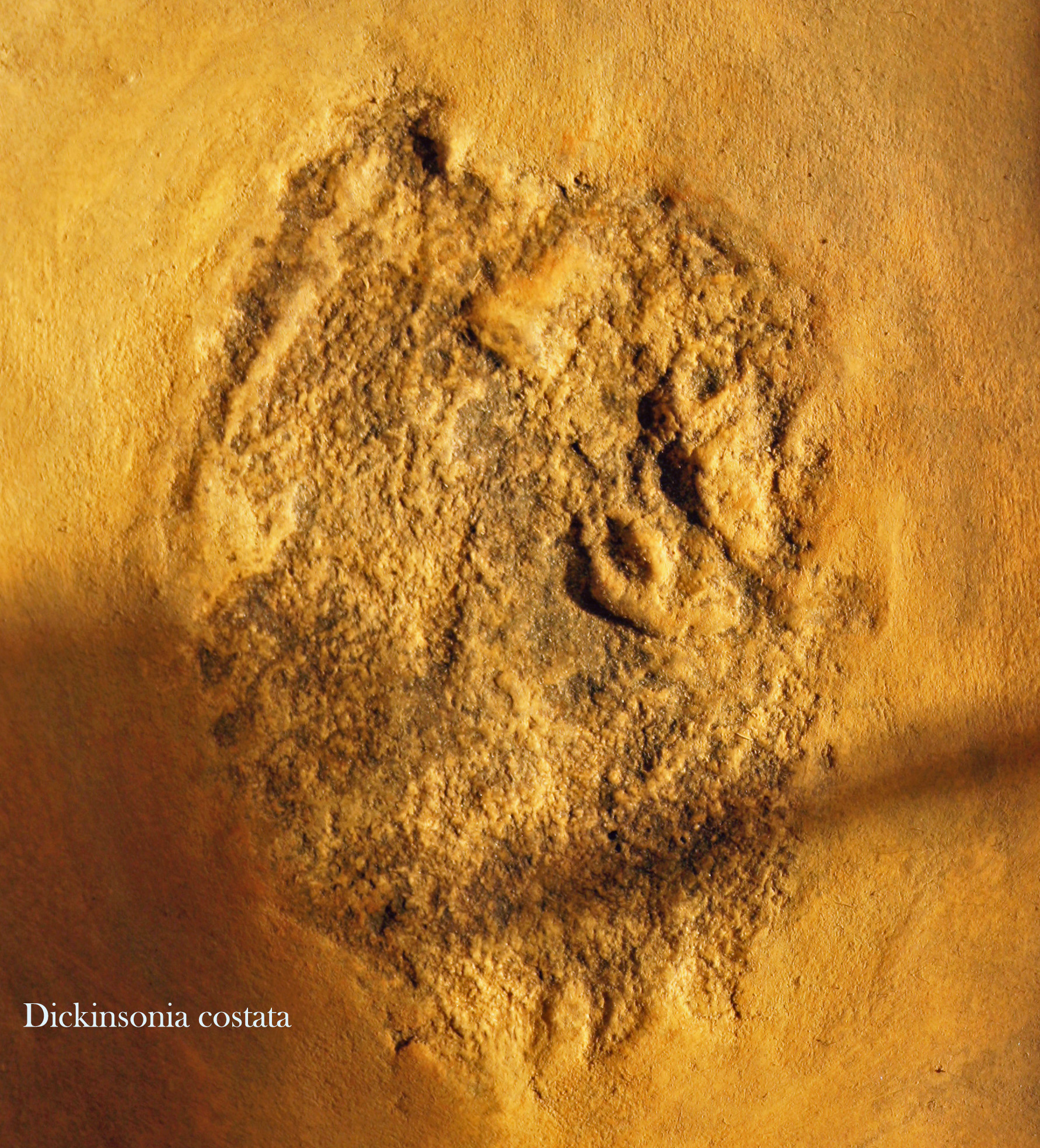
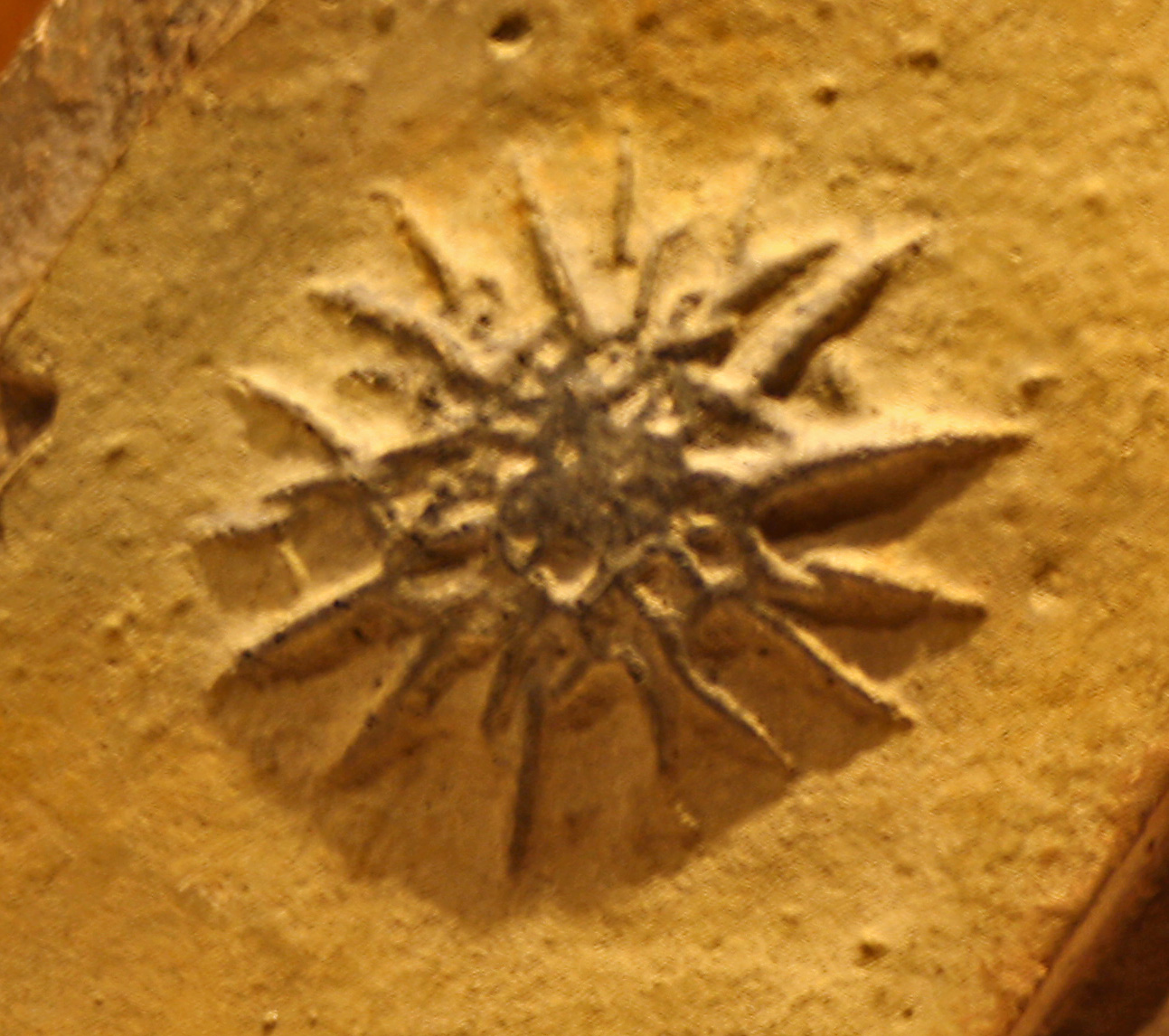
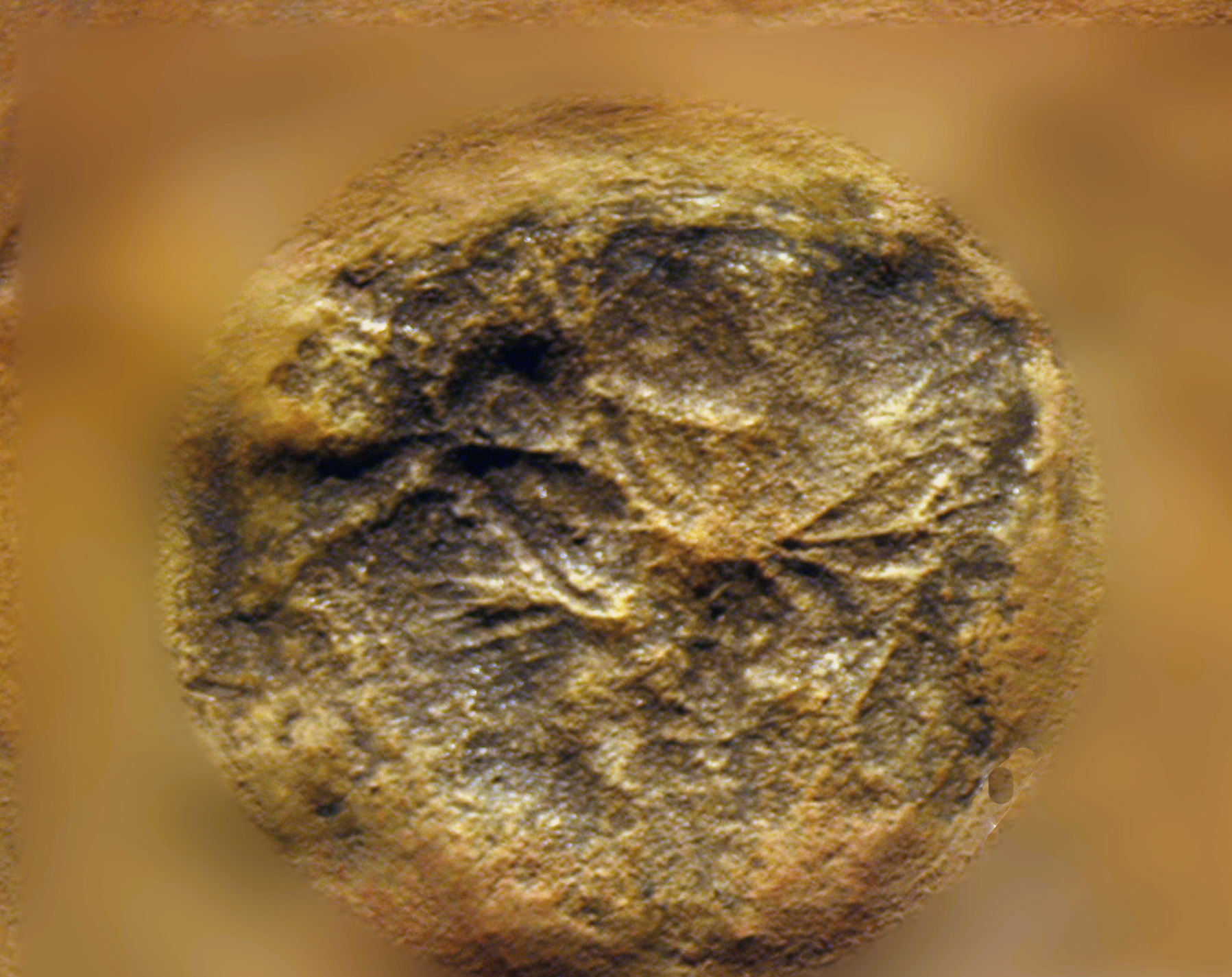
The Ediacaran. This is a span of nearly 100 million years that ends with the beginning of the Paleozoic Era (which begins with the Cambrian). The Ediacaran was a time when Earth warmed up after the colder Cryogenian times when glaciers covered much of the planet’s surface. Sometimes this period of time is called the Vendian Period. The International Commission on Stratigraphy has set the system period dates (pdf) for the Ediacaran from 635 millions years ago to 542 million years ago. The Ediacaran fauna are fossilized in rocks from approximately 600 million years ago to 545 or 550 million years ago. (There are websites that erroneously report widely different dates for the beginning of the Ediacaran period, confusing it with the Neoproterozoic Era or the Proterozoic Eon.)
|
||
Links about the Ediacaran Era:
|
| Articles of biology: terrestrial animals, trilobite, prokaryote, oxygen catastrophe, Metazoa, eukaryote. | ||
Articles of French history:Eiffel tower, Louvre, Versailles, Notre-Dame de Paris, Paris Opera house. Articles of Chinese history: oil well, abacus, compass, gunpowder, first dictionary, paper money, wheelbarrow. |
||
| Back to the World History Timeline in English | ||
| Back to the Historylines home page. | ||
|
