

在钱币还没有发明之前,“以物易物”是最古老的做生意的方法,大家把不需要的东西拿到市集里去交换自己所需要的,人类以此方式沿用了很久的一段时间,不过这种用物品换物品的方式,也有很多不便的地方,可能是珠子、贝殼、较特殊的石头、或是金属块之类的物品,后来人们就以金属铸造出代表物价的东西, 所以钱币的发明也是让社会进入文明的重要贡献之一。
在中国最早使用的钱就是贝殼,开始于石器时代后期到商朝(西元前1675-1029年),逐渐演变成以玉石,兽骨和青铜所制成的贝币,后来在西周(西元前1100-771年)和春秋战国时代(西元前770-221年)又有以青铜、赤铜或黄铜制成扁平状的布币和刀币,也有龟殼做的龟币,不过市面上货币流通的种类、大小、形状不一, 到秦始皇时才真正统一币制,下令只能以金和铜的金属铸造货币,这便是在说文解字里有提到“古者货贝而宝龟,周而有泉,至秦废贝行钱”。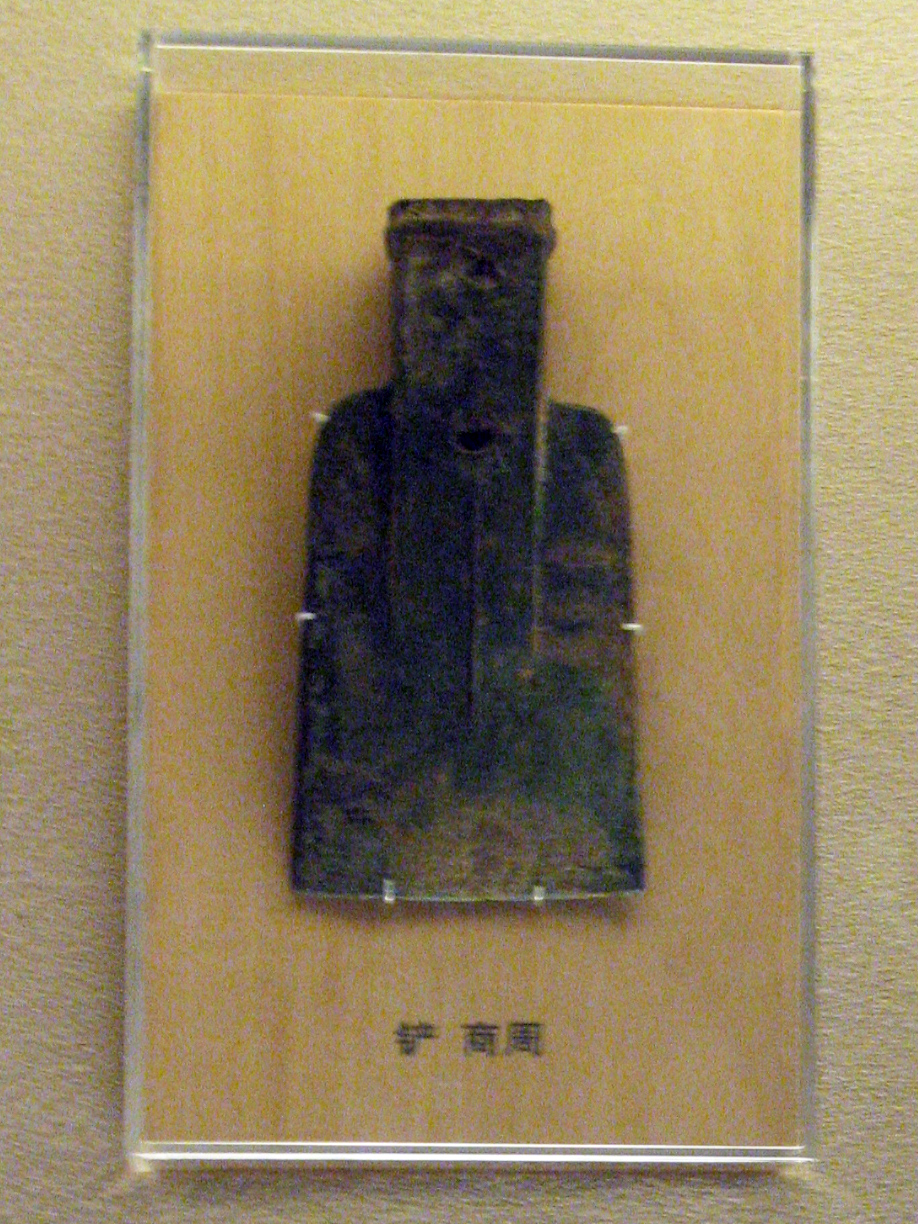
商周时期:铲子形状的布钱
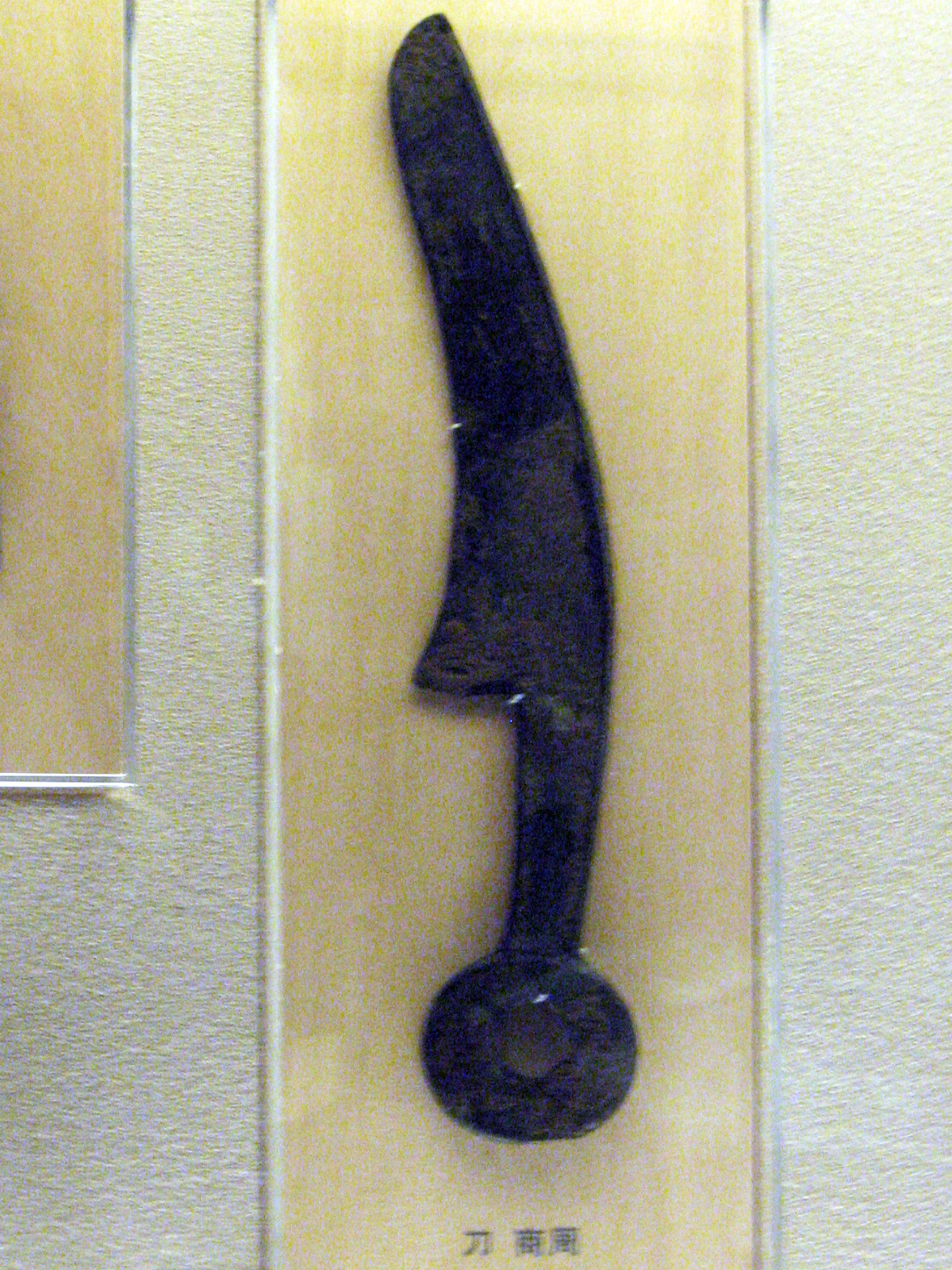
商周时期:刀子形状的刀钱
世界上出现最早的硬币并不是西元前220-200年的秦国铜币,因为西元前610年的利底亚(属于希腊的一个城邦,现今的土耳其)早就已经开始铸造钱币了。虽然中国在西元前1050年,比较肯定的说法是在西元前7世纪(这一世纪的利底亚是铸币创作的领先者),已经有代表货币,形如铲子和刀子的扁平金属,而不是我们所认知的圆形硬币。在西元621年,唐朝官方开始铸造铜钱叫做通宝,这个名称一直沿用到清朝,在西元785年的唐朝发展出一种票券叫做飞钱,因票券的质量非常的轻盈,如不小心就有被风吹走之虞,故得其名。飞钱不是纸钞,远行的商人只需要把银两在办事处兑换成票券,并把存款收据的票根拿到另一指定地点,便可兑换成货币。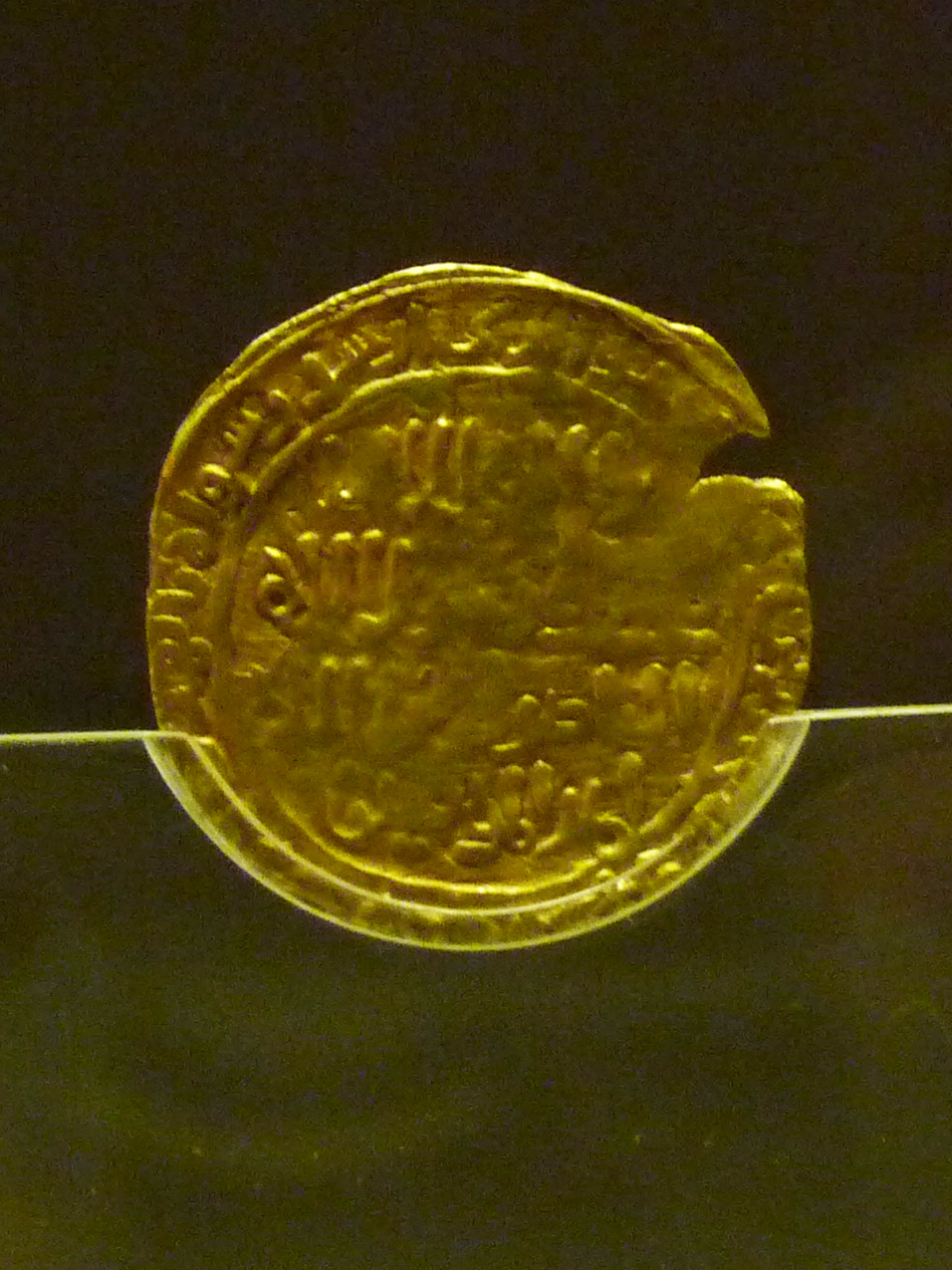
成吉思汗时期的金币
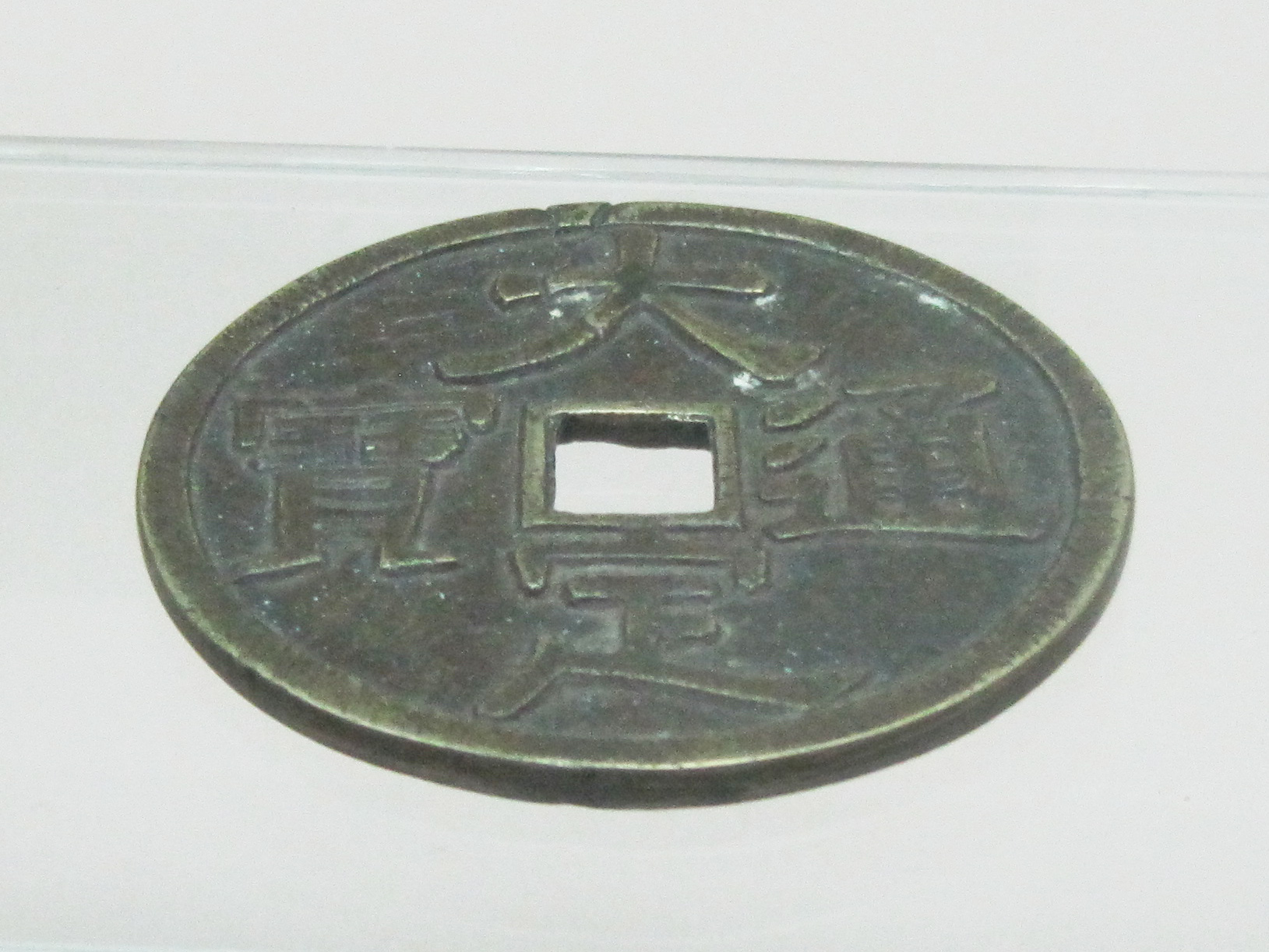
金“大定通宝”
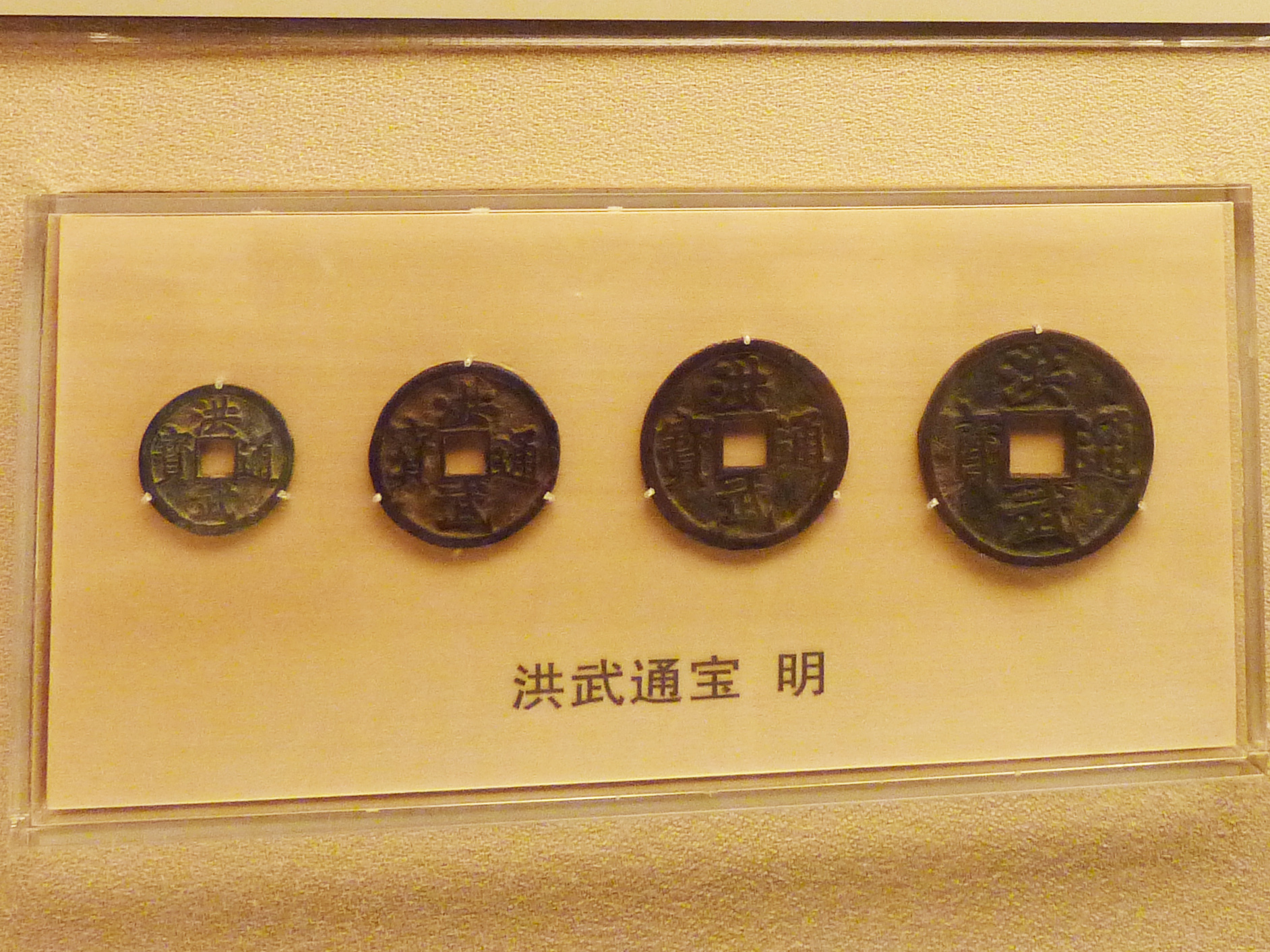
明“洪武通宝”

金“银锭”,银锭是以重量来计算价值
因为造纸业和印刷业在北宋时期(西元960-1127年)已经迅速发展,促使商业贸易繁荣,中国有了最早(西元1011年)也是全世界最早发行的纸币叫做“交子”,一交等于铜钱一千文。最先在四川一带由“富民十六户主”发行使用,这些商人在纸钞上暗藏标记,以此代替铁钱,当时“交子”的使用也促使了“交子舖”的设置,交子舖就像现今的银行一样,专门为商人保管现钞,并可从中收取一定的保管费用。 西元1023年发行的纸币(实际上是由南宋官方发行的货币),在当时算是一种创新,不过早在10世纪初期(开始于四川)就出现了由私人企业发行的纸币。马可波罗从中国返回欧洲时曾经写了一篇有关纸币的文章,但是当时并未被引进欧洲,直到瑞典在西元1601年开始才有纸币的印制。
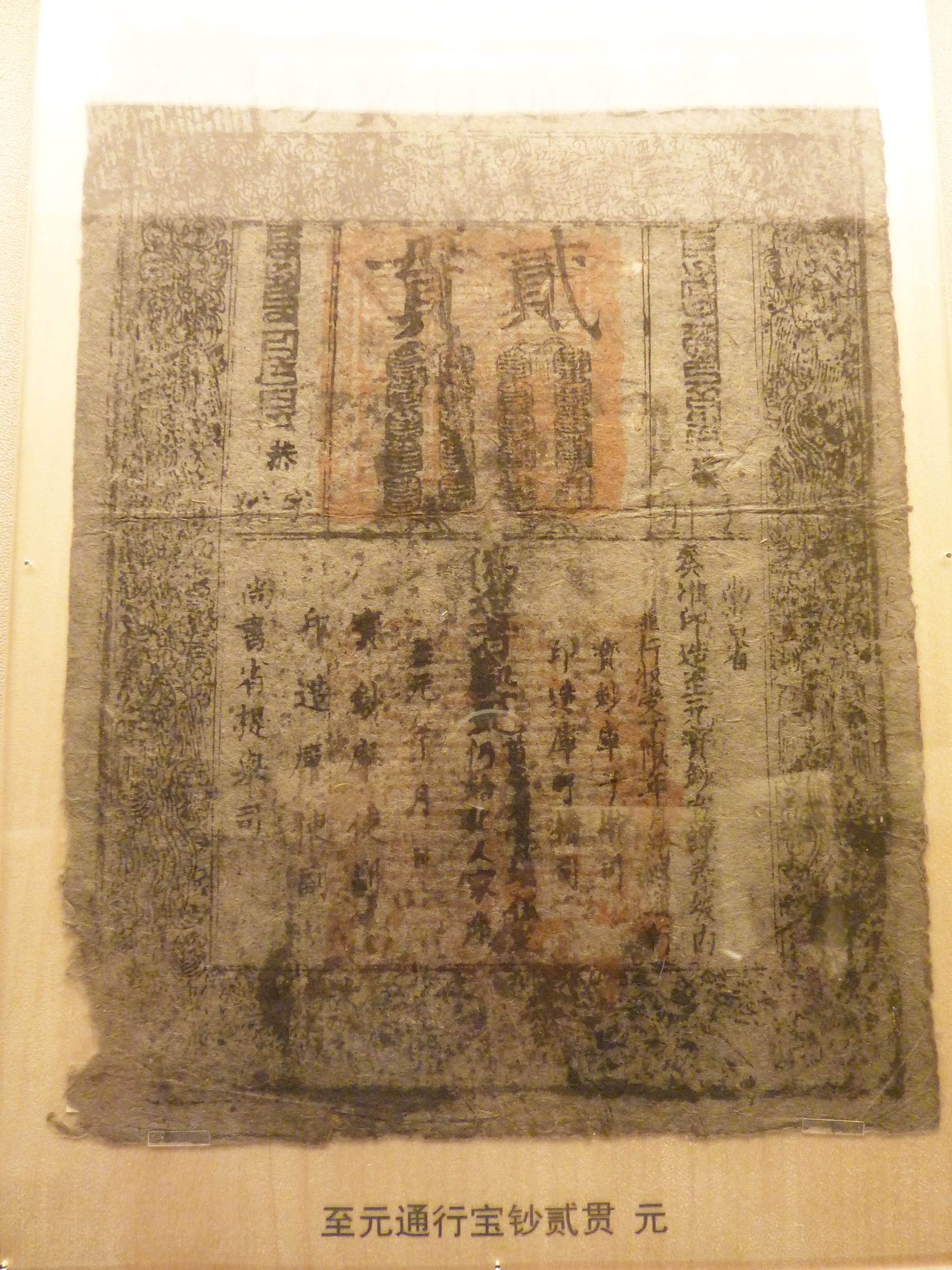
元朝至元年间发行的通行宝钞
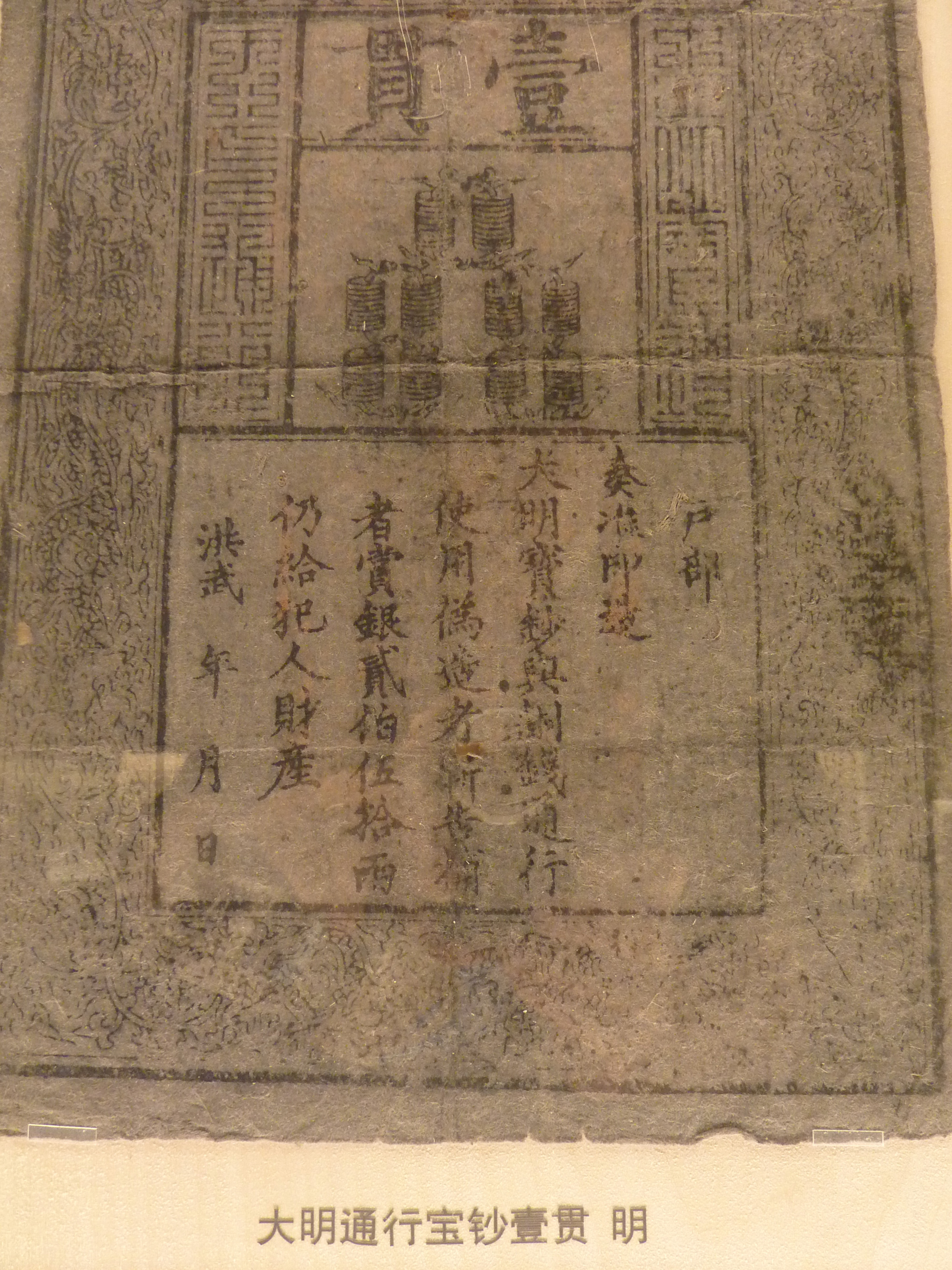
明朝洪武年间发行的通行宝钞
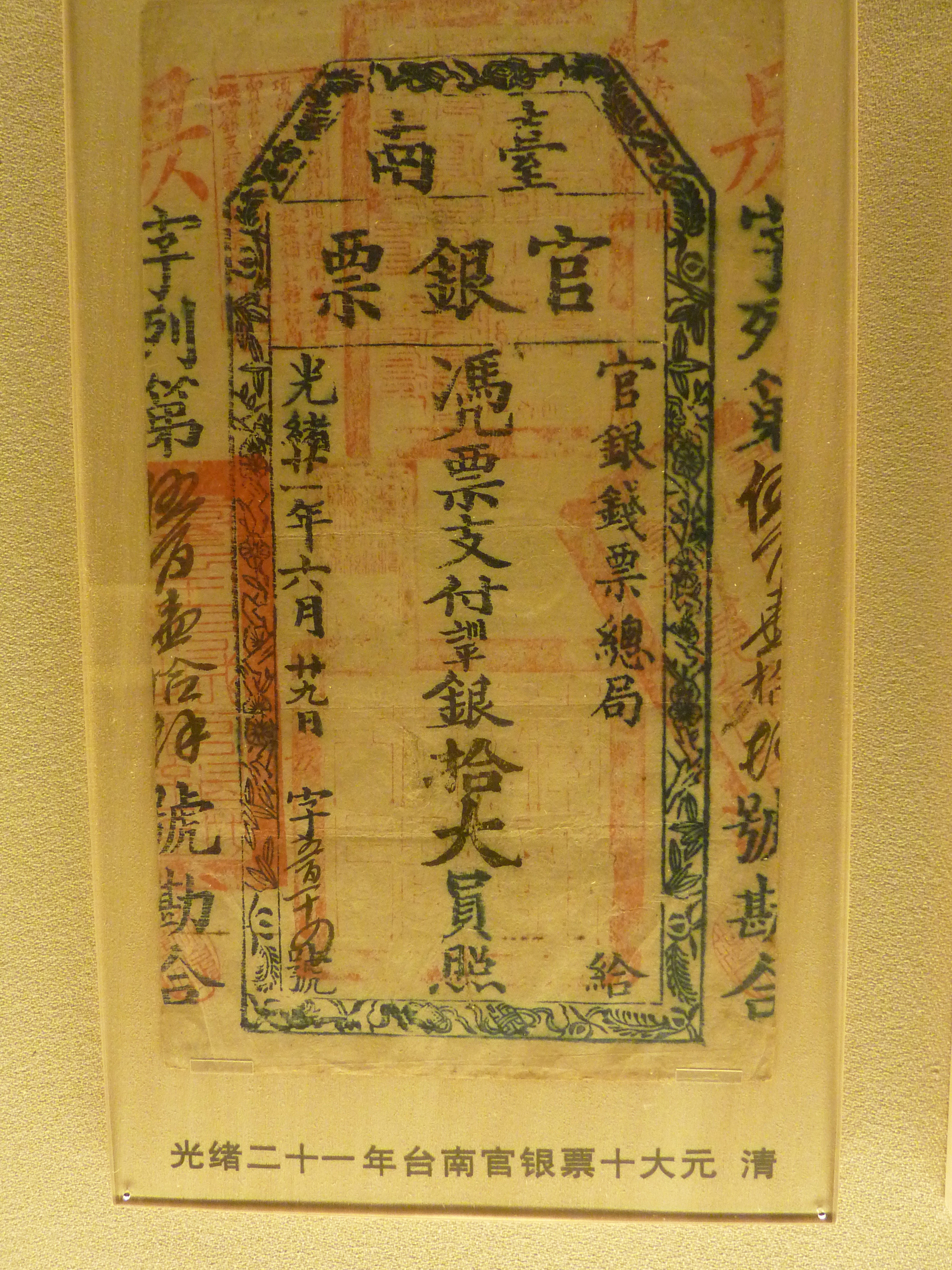
清光绪年间发行的银票
|
|
相关连结
1. Valerie Hansen's "The Open Empire: A History of China to 1600" (published in New York by W. W. Norton in 2000) has a discussion of early banking and currency developments on pages 261-272. You can use Worldcat.org to search for this book in English or in a Chinese version.
2. The NOVA documentary television program in the United states mentions the year 806 as the first year for paper currency in their history of money page.
3. The Computersmiths have a page about the history of paper money in China.
4. The National Numismatic Collection suggests that the Chinese may have had paper money as early as the seventh century, but such a date is not widely recognized by the authorities we've consulted.
